
Back to Blog
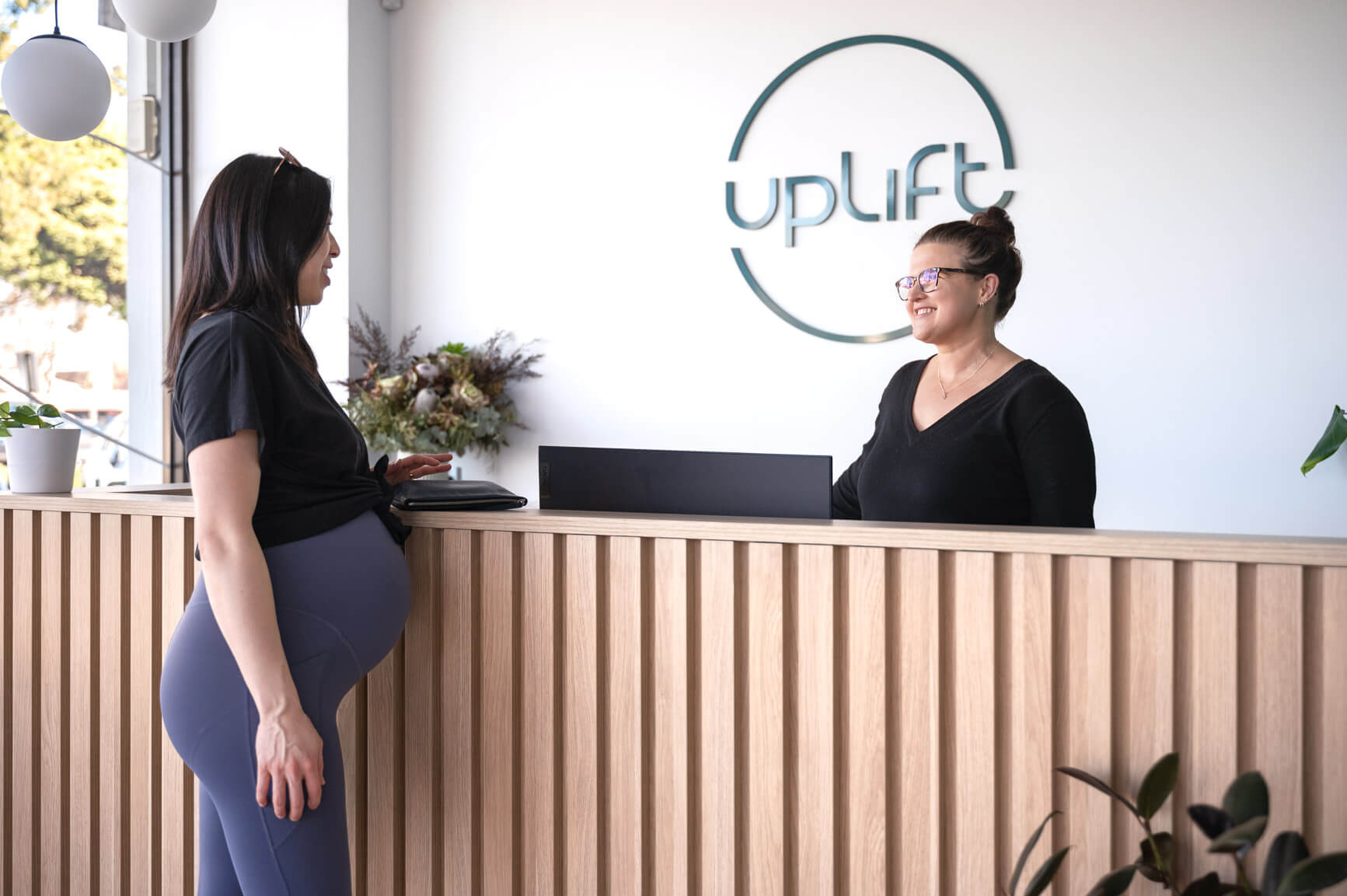
Looking for answers to the most common Women’s Health Physiotherapy FAQs? At Uplift Women’s Health Collective, we provide education and guidance on pelvic health, pregnancy, postnatal recovery, and menopause. Understanding how women’s health physiotherapy can support your body at every life stage helps you move, exercise, and live confidently without symptoms holding you back. ✨
General Women’s Health Physiotherapy FAQs
What does a Women’s Health Physiotherapist do? 🧠💪
In this section of our Women’s Health Physiotherapy FAQs, we explain what a Women’s Health Physiotherapist does and how they support women at every life stage.
We assess and treat conditions related to the pelvic floor, bladder and bowel function, pregnancy and postnatal recovery, pelvic pain, prolapse, incontinence and sexual pain. Our aim is to help you move well, exercise confidently, and live without symptoms limiting your day-to-day life.
Women’s health physios are also fully trained musculoskeletal physiotherapists, meaning we treat common aches and pains such as neck, shoulder, back, hip and pelvic pain — particularly when these issues are influenced by pregnancy, postural changes, hormonal shifts or pelvic floor function.
You can learn more about this whole-body approach in our blog: Musculoskeletal Physio
What happens during a women’s health physio appointment? 👩⚕️
Your first appointment begins with a detailed discussion about your symptoms, bladder and bowel habits, pelvic health, medical history, lifestyle and goals. Education is a key part of this session, helping you understand why symptoms are occurring and what influences them.
At follow-up appointments, a physical assessment is often completed. This may include posture, breathing, abdominal function, hip strength and pelvic floor coordination.
If appropriate and with your consent, pelvic floor assessment may involve:
- Real-time ultrasound, allowing us to visualise bladder and pelvic floor muscle function
- External (observation) vaginal assessment to assess muscle activation
- Internal vaginal examination, considered the gold standard for assessing pelvic floor strength, endurance and coordination
Real-time ultrasound is a valuable assessment and education tool — you can read more about how we use it in our blog “Unlocking the Power of Real-Time Ultrasound for Pelvic Floor Health“
You’ll always be guided through your options and remain in control of what feels right for you. Each session finishes with a personalised treatment plan, which may include exercises, education, hands-on treatment and practical strategies.
What should I wear to pelvic floor physiotherapy? 👕
Wear comfortable clothing that allows you to move easily, such as leggings or loose pants. If an internal examination is indicated, you’ll have privacy to undress from the waist down and a sheet will be provided for comfort and dignity.
Pelvic Floor & Pelvic Health FAQs
What is the pelvic floor and what does it do? 🧘♀️
The pelvic floor is a group of muscles and connective tissue that sit at the base of your pelvis, forming a supportive sling.
A well-functioning pelvic floor:
- Contracts to support the bladder, bowel and uterus, and to help prevent leakage during coughing, lifting or exercise
- Relaxes to allow emptying of the bladder and bowels
- Works with breathing and the deep abdominal muscles to support posture, stability and load management
- Contributes to sexual function and comfort
A healthy pelvic floor isn’t just strong — it’s responsive, coordinated and able to relax when needed.
What causes pelvic floor problems? ⚖️
Pelvic floor issues can develop due to:
- Pregnancy and childbirth
- Hormonal changes (including menopause)
- Constipation or straining
- Chronic coughing
- Heavy lifting or high-impact exercise
- Abdominal or pelvic surgery
- Stress or muscle overactivity
Both weak and overactive (tight) pelvic floor muscles can cause symptoms such as leakage, pelvic pressure, pain, or difficulty emptying the bladder or bowels.
How can I tell if my pelvic floor is weak or overactive? 🤔
It’s not always obvious — weak and overactive pelvic floors can cause similar symptoms.
Common signs of a weak pelvic floor include:
- Leaking urine with coughing, sneezing, running or jumping
- A heavy or dragging sensation in the pelvis
- Difficulty controlling wind or bowel movements
Common signs of an overactive (tight) pelvic floor include:
- Pain with intercourse, tampon use or internal exams
- Difficulty starting urine flow or emptying fully
- Pelvic, hip or lower back pain
- Urinary urgency or leakage due to difficulty fully relaxing the muscles
An assessment with a women’s health physiotherapist helps identify what’s really happening, which is essential as treatment approaches differ significantly.
When should I see a pelvic floor physiotherapist? 📅
You may benefit from pelvic floor physio if you experience:
- Urinary, bowel or wind leakage
- Pelvic heaviness, pressure or prolapse symptoms
- Pain in the pelvis, vulva, tailbone or during sex
- Abdominal separation (diastasis recti)
- Changes in bladder or bowel habits
- Menopause-related pelvic symptoms
We also recommend pelvic floor physiotherapy:
- During pregnancy, a pelvic floor assessment is encouraged early in the second trimester, with follow-up care as your body changes
- For birth preparation
- After birth (regardless of delivery type)
- As part of proactive care and healthy ageing
Can a women’s health physio diagnose prolapse? 🩺
A women’s health physiotherapist can assess for pelvic organ prolapse through a vaginal examination. While we don’t diagnose which organ is involved, we can determine whether the front wall of the vagina (often associated with the bladder), back wall (often associated with the bowel), or cervix (uterus) is descending.
We assess how this relates to your symptoms, muscle function and daily activities. Management may include pelvic floor rehabilitation, pessary support and education, load and pressure management strategies, and lifestyle guidance. If needed, we can liaise with your GP or refer on for specialist review.
Learn more in our prolapse blog: Let’s talk POP (Pelvic Organ Prolapse)
Pregnancy (Prenatal) FAQs
Should I see a women’s health physio during pregnancy? 🤰
Yes. Women’s health physiotherapy during pregnancy can help manage pain, support your changing body, optimise pelvic floor function and prepare you for birth.
We commonly assist with pelvic girdle pain, back or hip pain, exercise guidance, pelvic floor education and birth preparation.
Can pelvic floor physio help me prepare for birth and recovery? 🌿
Absolutely. Birth preparation appointments focus on pelvic floor coordination, breathing strategies, pushing techniques, perineal preparation and labour positions.
We also place a strong emphasis on postnatal recovery, including education around how to best care for your body in the first 6 weeks after birth and how to safely return to exercise.
You can explore this further in our blogs:
- https://upliftwomenshealth.com.au/pregnancy-postpartum-what-id-recommend-research-or-do-differently-from-a-physio-new-mums-perspective/
- https://upliftwomenshealth.com.au/your-postpartum-running-journey-how-to-return-to-running-safely-and-confidently-after-pregnancy/
Postnatal FAQs
When should I see a physio after having a baby? 👶
A postnatal physiotherapy check is commonly recommended from around 6 weeks postpartum, however earlier appointments may be helpful if you’re experiencing pain, heaviness, bladder or bowel symptoms, or feeding-related issues such as postural pain or mastitis.
For mastitis support, read more here: https://upliftwomenshealth.com.au/mastitis-treatment-how-to-support-recovery/
Do I need pelvic floor physio after a caesarean birth?
Yes. Pregnancy places load on the pelvic floor and abdominal muscles regardless of delivery type. Post-caesarean physiotherapy supports scar management, abdominal strength, pelvic floor recovery and a safe return to activity.
When and how can I return to exercise after birth? 🏃♀️
Return-to-exercise guidance begins during pregnancy, often discussed at our birth preparation appointments ideally booked at 34–35 weeks gestation.
After birth, we support you through early recovery and beyond, using individually tailored approaches. This may include Clinical Pilates, gym-based guidance or home exercise programs — always guided by your goals and preferences.
Menopause FAQs
Can women’s health physiotherapy help during menopause? 🌸
Yes. Hormonal changes during perimenopause and menopause can influence pelvic floor function, bladder and bowel control, vaginal tissues, bone density and musculoskeletal health.
Physiotherapy can help manage symptoms such as incontinence, prolapse and pelvic pain, while supporting safe and effective strength training for long-term bone and joint health.
Explore these topics further:
- Bone Density Scan – What is it? Who needs one? Why it matters?
- Why exercise during menopause matters and what kind is best
Ready to take the next step? 💛
If you’re looking for answers beyond these women’s health physiotherapy FAQs, or want personalised guidance for your body, our experienced team is here to support you. If you have questions about pelvic health, pregnancy, postnatal recovery or menopause, our experienced team is here to support you.
You can book online or contact Uplift Women’s Health Collective on (03) 8828 4761 to speak with our friendly team. 💚