
Back to Blog
Have you ever had mastitis when nothing about feeding seemed to change? Latch is good, baby is feeding well, and expressing is much the same as usual. But mastitis has arrived anyway. In those moments, it is worth pausing and asking: has stress been building in the weeks leading up to this?
It is a connection that is not talked about nearly enough. So let us walk through what mastitis is, what stress is, and — most importantly — why the two are so closely linked.
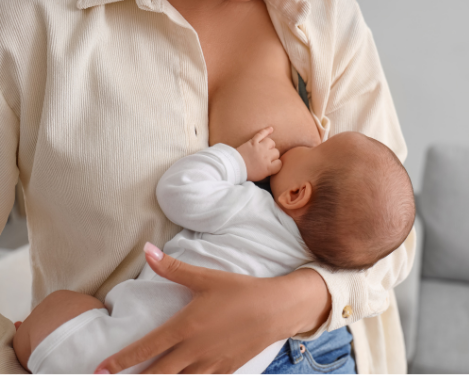
What Is Mastitis?
Mastitis is inflammation of the breast tissue. It is usually caused by milk building up in the breast during breastfeeding. Statistics suggest that between 10 and 30 percent of breastfeeding women experience mastitis in the first year postpartum, with occurrences highest between four and six weeks after birth. However, mastitis can also affect women a year or more into their breastfeeding journey.
Some common causes of mastitis include:
- Milk stasis — milk that is not draining well from the breast
- Poor latch or ineffective feeding
- Infrequent feeds or skipped feeds
- Blocked (plugged) milk ducts
- Oversupply of milk
- Pressure on the breast
- Nipple damage
- Bacterial infection
Signs of mastitis can include some or all of the following:
- A painful, tender area of the breast
- Redness, warmth, or swelling
- A firm or wedge-shaped area in the breast
- Fever of 38.5°C or higher
- Chills, body aches, headache, and a general feeling of being unwell
What Is Stress?
Stress is your body’s natural response to challenges, pressure, or difficult situations. It can be emotional — such as exhaustion, constant mental load, and the enormous shift in identity and role that comes with new motherhood. It can also be physical — including pain, trauma, changes in temperature, or infection.
Welcome, in other words, to motherhood in general.
Given how relentlessly demanding the postpartum period is, it is perhaps no surprise that stress is one of the factors that can tip the body toward mastitis.
How Are Stress and Mastitis Linked?
The connection between stress and mastitis comes down to hormones. Specifically, stress hormones — adrenaline (a catecholamine) and cortisol (a glucocorticoid) — interfere with two key breastfeeding hormones: prolactin and oxytocin.
To understand why this matters, it helps to understand what prolactin and oxytocin actually do.
Prolactin is the hormone that signals your breasts to produce milk. Each time your baby feeds or you express, prolactin levels rise, telling your body to make more milk. In other words, the more frequently milk is removed, the more prolactin is released — and the more milk is produced.
Oxytocin is the hormone responsible for the let-down reflex. It is the tingly or achy sensation that occurs when your baby starts to suckle. In response to oxytocin, the muscles around the milk-producing tissue in your breast contract, pushing milk toward the nipple and out.
What Happens to These Hormones Under Stress?
When a stressful situation occurs, your body releases a surge of adrenaline and cortisol. Here is where things get interesting — and a little counterintuitive.
Stress initially increases milk production by acting on prolactin. However, at the same time, stress suppresses the release of oxytocin. As a result, the let-down reflex is reduced or delayed. Less milk flows out efficiently, even though the body is still producing it. This combination — milk being produced but not draining well — creates exactly the conditions for a blocked duct or mastitis to develop.
In addition to this hormonal effect, stress also impacts the immune system. During a stress response, the body releases substances that reduce immune cell activity and impair how effectively immune cells fight bacteria and viruses. Therefore, the body becomes less equipped to manage the bacterial environment in the breast — which can contribute to infection and mastitis.
Put simply: stress disrupts milk flow and weakens immune defences at the same time. That is a significant combination for breastfeeding women to be aware of.
What Can You Do About Stress?
The Gidget Foundation, a wonderful Australian resource focused on perinatal mental health, offers practical guidance for managing stress during the parenthood transition. Some of their suggestions include:
- Eating a balanced diet with plenty of protein across the day to support energy levels
- Drinking plenty of water, especially while breastfeeding
- Getting some fresh air and sunshine when possible
- Moving your body gently — walking or stretching is enough (with medical guidance if needed postpartum)
- Building a network of supportive people, including other new parents
- Having mindful moments throughout the day and tuning in to how you are feeling
- Asking for help — having at least one trusted health professional to reach out to is important
- Engaging in activities that restore you, such as listening to music, reading, or spending time outdoors
- Limiting caffeine after midday
- Avoiding short-term coping strategies such as alcohol
- Taking even short periods of time alone each day — ten minutes can make a real difference
- Communicating openly with a partner or trusted person when stress feels unmanageable
- Limiting excessive internet research and social media when you are feeling overwhelmed
For the full list of suggestions, visit the Gidget Foundation’s stress and wellbeing resource.
[Image 3: physiotherapy-mastitis-treatment-uplift-mitcham.jpg | Alt: Physiotherapist treating mastitis with therapeutic ultrasound at Uplift Women’s Health Mitcham]
Can Physiotherapy Help With Mastitis?
Yes. Physiotherapy can help with managing mastitis through the use of therapeutic ultrasound and lymphatic drainage massage. These approaches aim to reduce inflammation and congestion in the breast tissue, and to support milk flow. We have a detailed blog on mastitis treatment and how physiotherapy can support recovery — you can read it here.
If you are experiencing mastitis or recurring blocked ducts, you are welcome to [book an appointment] with our team at Uplift. You do not have to manage this alone.
Helpful Resources
Stress in the Postpartum Period
- Gidget Foundation — Managing Stress and Prioritising Emotional Wellbeing
- COPE — Managing Stress in Early Parenthood
- PANDA — Perinatal Anxiety and Depression Australia
- MumSpace — Perinatal Mental Health Support
Mastitis
If you have been wondering why mastitis keeps coming back despite doing everything right, stress may well be part of the answer. Be gentle with yourself. The postpartum period is one of the most demanding seasons of a woman’s life, and your body is working incredibly hard. If you would like support with mastitis or postnatal recovery, our team at Uplift would love to see you.
Book online via our website (Book Now) or call (03) 8828 4761 to speak with our team and arrange an appointment.