
Back to Blog
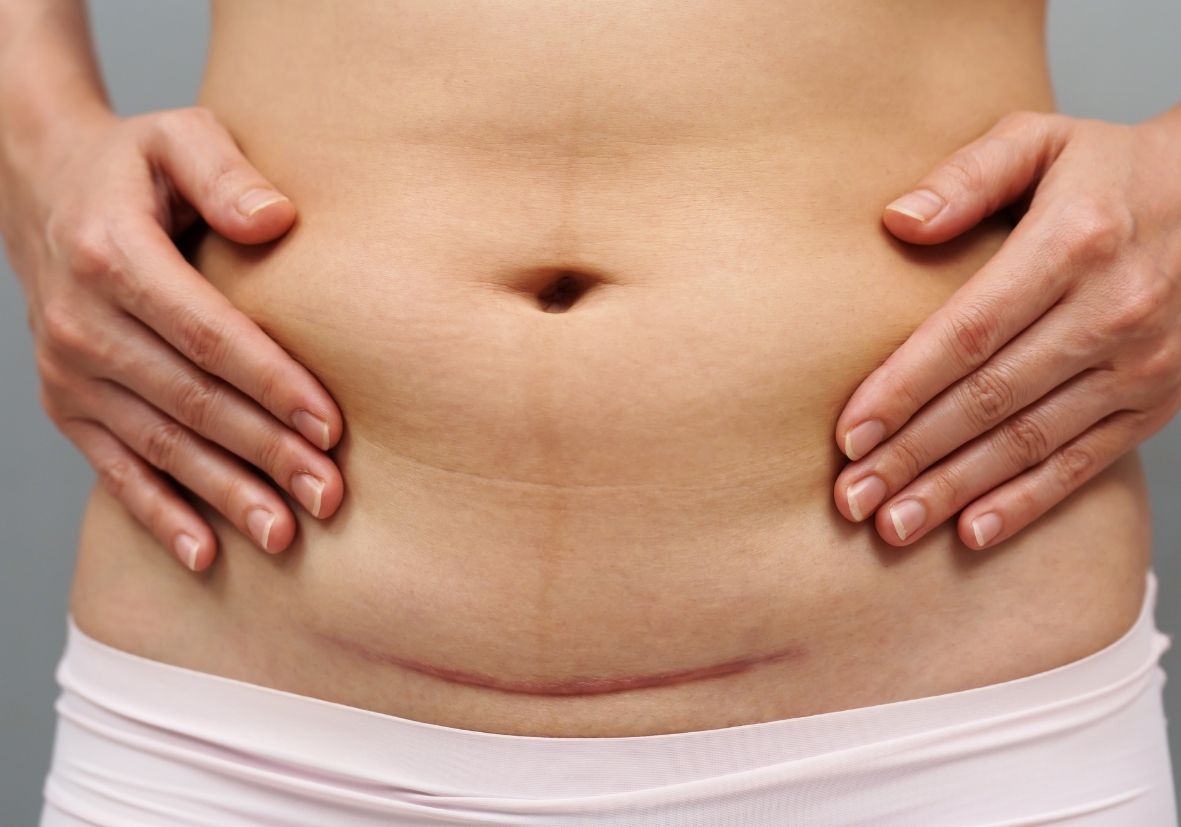
C-section pelvic health physiotherapy is one of the most overlooked and most valuable investments a woman can make in her birth and recovery journey. Whether you have a planned or emergency caesarean, your pelvic floor and core need support at every stage.
In this blog, we cover:
- Why you should see a Women’s Health Physio before your C-section
- What to expect in early recovery
- Why your 6-week postnatal assessment, including a DRAM assessment, matters
Why Your Pelvic Floor Still Needs Attention After a C-Section
Many women believe that because they did not push through a vaginal delivery, they do not need pelvic floor support. This is a common myth.
Your pelvic floor has supported the weight of your growing baby, uterus, and placenta for nine months. Pregnancy alone can cause:
- Urinary leakage
- Pelvic heaviness or pressure
- Pelvic girdle pain
- Core weakness
A C-section is also major abdominal surgery. Seven layers of tissue are cut and repaired. Recovery requires the same thoughtful rehabilitation as any significant surgical procedure.
What a Pre-C-Section Physio Appointment Covers
Seeing a Women’s Health Physiotherapist before your C-section helps you arrive prepared physically and mentally.
At your prenatal appointment, we will:
- Assess your current pelvic floor function
- Teach you how your breath, deep core, and pelvic floor work together
- Prepare you for the physical demands of early motherhood including lifting, feeding, and caring for a newborn
- Educate you on safe movement and what to expect post-surgery
- Address any existing symptoms such as leaking and pelvic pain
The more connected you feel to your body before birth, the more confident your recovery will be.
Recovering From a C-Section: What You Need to Know
Movement and Breathing
In the first days after surgery, your safest and most effective core exercise is your breath.
Diaphragmatic breathing gently activates the deep abdominal system without stressing your incision.
For daily movement, we recommend:
- Log rolling to get out of bed by rolling to your side first, then pushing up
- Splinting your scar with a pillow when coughing or sneezing
- Avoiding heavy lifting beyond your baby in the early weeks
Scar Care
Your caesarean scar deserves attention. Once healed, typically around 6 to 8 weeks, gentle scar massage can:
- Improve tissue mobility
- Reduce tightness and sensitivity
- Prevent adhesions that may cause discomfort later
We teach you exactly how and when to begin.
Rest Is Part of Recovery
Horizontal rest in the early weeks is not laziness. It is rehabilitation. Taking load off your healing abdomen and pelvic floor supports faster and safer recovery.
Pelvic floor exercises can also begin gently in the first few days post-surgery, guided by your physiotherapist and your own comfort.
Your 6-Week Pelvic Health Review: More Than a Tick Box
A standard GP check at 6 weeks does not routinely include a pelvic floor or abdominal assessment. Many women leave feeling cleared for exercise without the full picture.
Your 6-week pelvic floor physiotherapy review includes a thorough assessment of:
Pelvic Floor Function
We assess strength, coordination, and relaxation. Not just whether your muscles contract, but whether they function under the demands of real life.
We also screen for:
- Urinary leakage or urgency
- Bowel changes
- Pelvic heaviness or prolapse symptoms
- Pain with intercourse
DRAM Assessment
Diastasis Rectus Abdominis Muscle (DRAM) refers to the thinning and widening of the connective tissue running down the centre of the abdomen. It is more common than many women realise:
- Up to 60 percent of women experience DRAM postpartum
- Around 32.6 percent still have it at 12 months
A DRAM assessment is not just about measuring a gap. We assess the function of the tissue and how well it transfers load and supports your core.
Targeted rehabilitation has been shown to improve muscle function and quality of life when started early.
Return to Exercise After a C-Section
“Can I go back to the gym at 6 weeks?” is one of the most common questions we hear.
The honest answer is that it depends on your individual recovery.
Six weeks is a starting point for assessment, not a clearance for full exercise.
A safe, phased return looks like this:
| Phase | Timeframe | Focus |
|---|---|---|
| Early recovery | Week 0 to 6 | Horizontal rest, breathing, gentle pelvic floor reconnection, core activation, gradual return to walking |
| Building foundations | Week 6 to 12 | Progressive pelvic floor and core muscle training, low-load resistance, movement retraining |
| Progressive loading | Week 12+ | Return to gym, sport, or impact activity guided by symptoms and completion of return to high impact checklist with physio support |
High-impact exercise such as running or jumping is generally not advised before 12 weeks postpartum and only once your physiotherapist confirms your pelvic floor and core can manage the load without symptoms.
Signs you may need to slow down include leaking, pelvic heaviness, or pain during or after exercise.
Ready to Support Your C-Section Recovery?
Your recovery after a caesarean is about more than healing the incision. It is about supporting your pelvic floor, restoring deep core function, and rebuilding confidence in movement as you return to daily life with your baby.
C-section pelvic health physiotherapy before and after birth gives you the tools, knowledge, and confidence to recover well and return to the activities you love. Whether you are in the final weeks of pregnancy or well into your postpartum journey, it is never too late to seek support.
Explore more from our team:
- Learn more about our Women’s Health Physiotherapy services
- Read our blog “Postnatal Recovery: What to Focus on in the First 6 Weeks”
Ready to feel supported in your recovery?
Book Now or call us on (03) 8828 4761 to speak with our team and arrange an appointment.