
Back to Blog
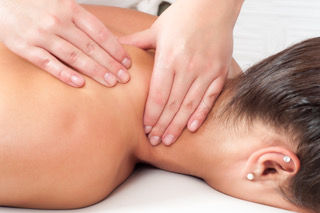
Are you feeling tight and sore and you’d love a massage but don’t know where to go to keep yourself and your child safe? Many women see a specialist for pregnancy health care and seek a massage therapist experienced in pregnancy massage safety. A good therapist understands the pregnant body and knows that physical and emotional safety are crucial during treatment. In this article, we’ll discuss the safety of massage therapy during pregnancy and answer some frequently asked questions.
When expecting a child, we understand that ensuring the safety of both the mother and the unborn baby is of utmost importance. Physical safety is typically the primary concern, but emotional safety is also crucial. This is especially true when it comes to receiving massages during pregnancy, as many women wonder whether it is safe for both themselves and their baby.
In this article, we’ll discuss pregnancy massage safety and answer some frequently asked questions.
1) Can I have a massage during my pregnancy?
Most of the time, the answer is yes. Some exceptions exist regarding who can receive pregnancy massage safely, but overall, you can have a massage at any stage of pregnancy—even past your due date.
It is important to choose a qualified and experienced pregnancy massage therapist. They understand the physiological changes that occur during pregnancy and can recognise potential risk factors or warning signs.
While most mothers have no risk factors, your therapist should know how to identify them if they appear.
But what about massage during my first trimester?
You may have heard that you shouldn’t get a massage in the first trimester. A recently published paper shows that most fears and concerns about massage in the first trimester are not physiologically possible. The body has natural mechanisms to protect the unborn baby, including from concerns about massage and exercise in the first trimester.
2) Should I avoid getting certain areas of the body massaged during pregnancy?
In short, no—you don’t need to avoid certain areas.
Any pregnancy massage should be tailored to your needs on the day. This includes getting consent for the treatment and for the areas being massaged. If there is an area you don’t feel comfortable having treated, discuss this with your therapist.
3) What about emotional safety?
Most of us receive specialised services for other pregnancy-related healthcare needs, and pregnancy massage is no different. An experienced and qualified pregnancy massage therapist should take the time to find out your needs, ask the right questions, consider your unique journey, understand how to care for your changing body and your baby, and take all of these into account when working with you.
Emotional safety includes building a strong therapeutic relationship, having good communication skills, listening, and providing a safe space to share your journey, hopes, and concerns without judgement.
A therapist with a client-centred approach will provide all of the above and determine the best treatment for you.
After all, massage during pregnancy can provide time out, reduce pain and tension, and help manage stress.
In summary, take the time to find a pregnancy massage therapist who is experienced and whose treatment approach aligns with your needs.
Dr Sarah Fogarty specialises in massage therapy before, and after pregnancy. You can learn more about Sarah HERE.
Learn more about the benefits of massage during pregnancy HERE.
You can make an appointment for a pre- or post-natal massage with Sarah HERE.