
Back to Blog
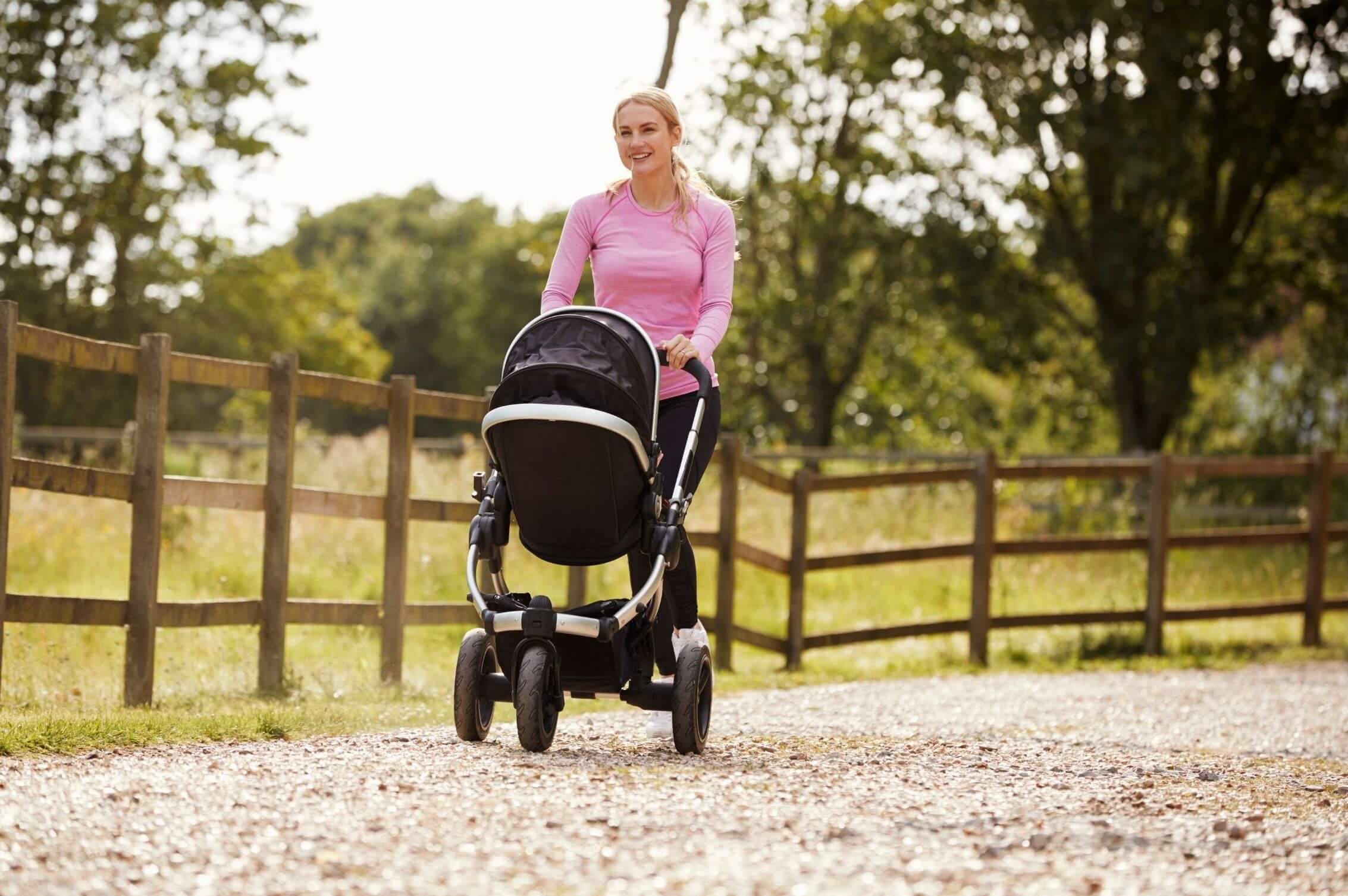
Recovery after giving birth is an important part of your postpartum journey, yet it is often overlooked. While much of the focus shifts to your baby, your body is healing, adapting, and deserving of care too. This guide will walk you through how to support your recovery after giving birth, including early healing, pelvic floor exercises, returning to movement, and when to seek support.
Immediately After Delivery: Supporting Early Recovery
Rest: Prioritise horizontal time
Spend time lying on your back or side in bed or on the couch. This reduces pressure on the pelvic floor and supports healing. Aim for 2 hours per day in the first 2 weeks and 1 hour per day for the following 6 weeks, in addition to your normal sleep. This is especially important while in hospital, as it helps take stress off your pelvic floor and allows it to recover more quickly.
Ice: Reduce pain and swelling
Applying ice to the pelvic floor for 15–20 minutes every 3 hours for the first 48–72 hours helps to reduce swelling and discomfort.
Compression: Provide support
Wearing compression garments, such as SRC shorts, can support the pelvic floor after pregnancy and delivery. These can be fitted by a physiotherapist from 36 weeks of pregnancy onwards.
Elevate: Take pressure off the pelvic floor
Lying down to elevate your pelvic floor reduces pain and speeds up recovery.
The First 6 Weeks: Gentle Movement and Healing
While return to traditional exercise isn’t encouraged in the first 6 weeks after birth, it is important to start moving your body gently. Basic stretches such as cat-camel, seated rotations, neck stretches, and lower back knee rocks are excellent ways to keep moving.
When you are ready, you can also start slow, short walks on flat, even paths. Gradually increase your walking distance over the 6 weeks. Always listen to your body and rest when required.
Pelvic Floor Exercises After Birth
Recovery of your pelvic floor muscles and regaining normal function following delivery is essential. If pain allows, aim to start your pelvic floor exercises 24–72 hours after birth.
How to start
- Start with small squeezes, focusing on lifting your pelvic floor upwards and tightening around the anus, vagina, and urethra.
- Ensure your buttocks, legs, and upper abdominal muscles are relaxed when you contract and lift.
- Begin lying on your back, which is the easiest position to reactivate the pelvic floor.
Your starting program
- 1-second contractions, 1-second rest
- Complete 10 repetitions (one set)
- Perform this set 4 times per day
Progression
- Increase hold time by 1 second each week (e.g., week 2 = 2-second holds, week 3 = 3-second holds)
- Build to 10-second holds by 10 weeks postpartum
- Progress to sitting once lying-down exercises feel comfortable
Everyone’s recovery after pregnancy is different. Your ability to contract the pelvic floor depends on your strength prior to pregnancy, exercise during pregnancy, type of delivery (vaginal vs caesarean), and natural differences. If unsure at any stage, contact a women’s health physiotherapist.
Reconnecting with Your Abdominal Muscles
Your abdominal muscles stretch and weaken during pregnancy to make room for your growing baby. This is often referred to as DRAM (Diastasis Rectus Abdominus Muscle Separation), which is the increased distance between the muscle bellies of the rectus abdominis.
Why core activation matters
Your abdominal muscles support your back, pelvis, and abdominal organs. Rebuilding strength helps prevent lower back pain and prepares you for everyday tasks like lifting, pushing, and carrying your baby.
Early strategies
- For the first 6 weeks, roll onto your side (log roll) to get out of bed
- Use your arms to push into sitting from lying down or the couch
Core activation exercises
- Pull your lower abdominal muscles in toward your spine, like zipping up your favourite jeans
- Start with 5 repetitions of 5-second holds, resting 5 seconds between each
- Gradually build to 10 repetitions and eventually 10-second holds
- Perform twice daily in the first 6 weeks
Also practice engaging your core during daily movements like getting off the couch or lifting your baby. This retrains your body to automatically activate your core for support.
6 Weeks and Beyond: Returning to Exercise
At 6 weeks postpartum, book in with a women’s health physiotherapist to assess abdominal strength, pelvic floor function, and the distance of any abdominal separation. Your physiotherapist can guide your next steps for returning to activities such as walking, gym work, running, or higher intensity exercise.
Exercise after giving birth:
- Helps rebuild fitness
- Supports sleep and mental health
- Reconnects you with your body
Guidelines for gradual return
- Start with physiotherapist-guided classes once cleared at around 6 weeks
- Increase difficulty gradually
- Return to running is generally recommended at 12 weeks postpartum
- High-impact activities like jumping or bootcamps should also wait at least 12 weeks
- Monitor for pelvic floor heaviness or urinary incontinence
If you are unsure about returning to a sport or high-intensity exercise, consult a women’s health physiotherapist.
Remember, urinary incontinence is not a symptom you need to live with after pregnancy.
Helpful Tips for Postpartum Recovery
Protect your pelvic floor
Engage your pelvic floor muscles before coughing, sneezing, or lifting.
Get your pelvic floor active early
Choose a consistent time to complete exercises, such as when feeding your baby. Avoid practising while using the toilet.
Avoid straining during bowel movements
- Place a step under your feet so knees are above hips
- Lean forward, rest elbows on knees, keep your back straight, and relax your lower abdominal muscles
- Use toilet paper to support the pelvic floor and reduce pain
Maintain hydration (2–2.5L/day) and eat fibre-rich foods like lentils, apples, and whole grains.
Posture tips
- Stand tall with chest open, shoulders back, belly button pulled in
- Sit with a pillow or rolled towel supporting your lower back and feet on the floor
- When breastfeeding, use pillows to bring the baby to you rather than arching your back
Monitor your breasts
Watch for engorgement, blocked ducts, or mastitis. Seek treatment early with a women’s health physiotherapist.
Ask questions
If you are unsure about pelvic floor activation or any aspect of recovery, book an appointment with a women’s health physiotherapist.
If you are suffering from low back or pelvic girdle pain, or if you’re wanting to find out more about our Clinical Pilates during pregnancy, you can make a booking to see one of our Women’s Health Physiotherapists HERE.
Author: Nicole Symons