
Back to Blog
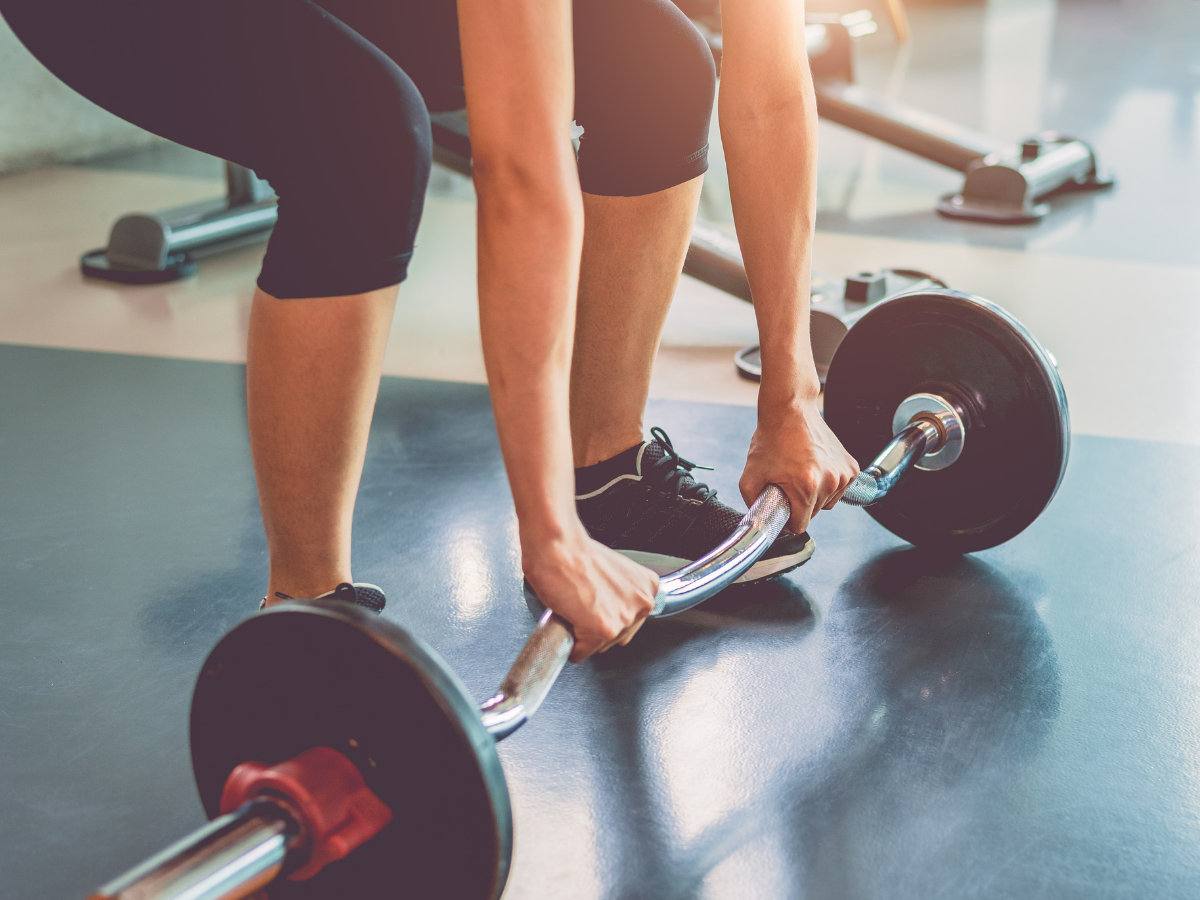
If you want to start exercising in menopause or perimenopause but have no idea where to begin, you are in the right place. You do not need to already be fit, sporty, or confident in a gym.
The perimenopausal and menopausal years bring significant change. Alongside shifting hormones, many women notice differences in mood, sleep, body composition, strength, fitness and energy. When you are tired or managing symptoms, exercise can feel like the last thing you want to do.
This blog covers why movement matters so much at this stage of life. It explains how much the Australian guidelines recommend for your age group. And it walks you through how to build up gradually, wherever you are starting from — including what to do if exercise causes pain or leaking.
Why exercise matters in perimenopause and menopause
Exercise is not simply about weight loss or fitness. During the menopausal years, it can support many aspects of your physical and emotional health.
Mood and mental wellbeing
The hormonal changes of perimenopause and menopause can coincide with changes in mood, stress, anxiety, sleep and energy.
Regular physical activity can support mental wellbeing and help you feel stronger and more confident in yourself. It can also be a reason to get outside and connect with other people, which matters during a time of change.
Weight and body composition
Changes in hormones, muscle mass, sleep and activity levels can all contribute to changes in body composition during menopause.
Exercise can help you maintain muscle mass and support a healthy body composition. During this time, it is easy to fixate on the number on the scale. It can be far more empowering to notice what your body can do — how much you can lift, or whether you can garden for longer without discomfort.
Bone health
Bone health becomes increasingly important during and after menopause. The reduction in oestrogen around menopause is associated with increased bone loss and a higher risk of osteoporosis.
Weight-bearing exercise and resistance training place healthy stress on your bones and muscles, which helps support bone strength. Walking and appropriately progressed strength training can both form part of a bone-health-focused program.
Muscle strength
We naturally lose muscle mass and strength as we age. Muscle mass decreases by approximately 3 to 8% per decade after the age of 30. That rate of decline increases further after 60.<sup>1</sup>
Oestrogen also plays a role in maintaining muscle, which is one reason some women notice these changes more sharply during the menopausal transition.
Regular strength training can help slow this process and maintain your physical capacity. Stronger muscles also help with balance, mobility and joint support, which makes everyday tasks easier.
Staying active in everyday life
One of the most important goals of exercise is maintaining your ability to do the things that matter to you, and to live the life you want.
“I’ve never exercised before. Where do I start?”
If you have not exercised regularly before, starting during perimenopause or menopause can feel overwhelming. The key is to begin gradually, with something achievable that combines cardio and strength work.
A regular walk, a strength session, swimming, cycling, or any other activity you enjoy all counts. A combination of cardiovascular activity and resistance training is particularly valuable.
How much exercise should I do?
Australia’s physical activity guidelines are set out by age group, so the recommendations change depending on which stage you are at. Most women in perimenopause and early postmenopause fall into the first group below. If you are 65 or over, the second set applies to you.
If you are aged 18 to 64
The guidelines for adults aged 18 to 64 recommend that you:
- Are active on most days, preferably every day
- Accumulate either 2.5 to 5 hours of moderate-intensity activity or 1.25 to 2.5 hours of vigorous-intensity activity each week — or an equivalent combination of both
- Do muscle-strengthening activities on at least 2 days each week
- Limit how long you spend sitting, and break up long periods with movement
Moderate intensity means you can talk but not sing — brisk walking, swimming or golf. Vigorous means you are too puffed to hold a conversation comfortably, such as jogging or fast cycling.
If you are aged 65 or over
The guidelines for older Australians recommend that you:
- Accumulate at least 30 minutes of moderate-intensity activity on most days, preferably all days
- Do some form of physical activity every day, whatever your age, weight or ability
- Include a range of activities across the week covering fitness, strength, balance and flexibility
- Start at an easily manageable level and build up gradually if you are returning after a break
- Reduce sitting time, and break it up as often as you can
Balance work matters more in this group, because it helps protect against falls. Side leg raises, heel raises and half squats all count. If 30 minutes feels like too much right now, start with 10 minutes once or twice a day and build from there.
A note for everyone, whichever group you are in: these numbers are a destination, not a starting line. If you are nowhere near them today, the next two sections are written for you.
Where to begin: cardio and strength
The simplest way to start exercising in menopause is to build two habits side by side. One raises your heart rate. The other challenges your muscles.
Cardio
Walking is a great place to begin. Try 10 to 15 minutes at a comfortable pace, a few times a week. As that becomes easier, gradually increase the duration or the pace, working towards 30 minutes most days.
From there you might build towards longer walks or more vigorous activity, depending on your goals and fitness. Cardio can also mean cycling, either outdoors or on a gym bike, or swimming.
Strength training
Aim to include some form of strength training twice a week.
If you have never done resistance training before, start with simple movements such as:
- Sit-to-stand from a chair
- Supported squats
- Wall or bench push-ups
- Resistance-band exercises
- Light weights or household objects
At the beginning, this is about learning the movements, building confidence, and letting your body adapt. Over time, your physiotherapist or exercise professional can help you progressively increase the resistance and challenge your muscles, which may include heavier weights.
What if I leak when I exercise?
If you notice leaking, heaviness or dragging when you walk, lift or jump, you are far from alone. So many women experience this and quietly adjust their lives around it.
Falling oestrogen levels affect the pelvic floor just as they affect bone and muscle elsewhere in the body. Symptoms that were manageable for years can become more noticeable during perimenopause and menopause.
The natural instinct is to avoid whatever sets it off. The difficulty is that stopping exercise means missing out on all the bone and muscle benefits above, at the stage of life you need them most.
A pelvic floor assessment can tell you what is actually going on. From there, your physiotherapist can help you adjust your program so you can keep exercising while you work on it.
What if I have pain or other health concerns?
You may benefit from seeing a women’s health physiotherapist before starting a new exercise program if you have:
- Pelvic floor symptoms
- Joint or muscle pain
- Osteoporosis or low bone density
- Previous injuries
- Significant fatigue
- Any other health concerns
A physiotherapist can help you work out which activities suit your body right now, and how to build up safely from there.
Start where you are
The perimenopausal and menopausal years are an important opportunity to invest in your future health. Start small. Build gradually. Get stronger. Keep moving.
The goal isn’t to “just exercise” more. It is to build strength, confidence and physical capacity, so that you can keep doing the things you love now and in the years ahead.
Ready to start exercising in menopause?
A women’s health physiotherapist can help you find an approach that feels safe, achievable and right for you — whatever your starting point.
To book an appointment, Book Online or call us on (03) 8828 4761.
Reference
- Volpi E, Nazemi R, Fujita S. Muscle tissue changes with aging. Curr Opin Clin Nutr Metab Care. 2004;7(4):405–410. doi:10.1097/01.mco.0000134362.76653.b2