
Back to Blog
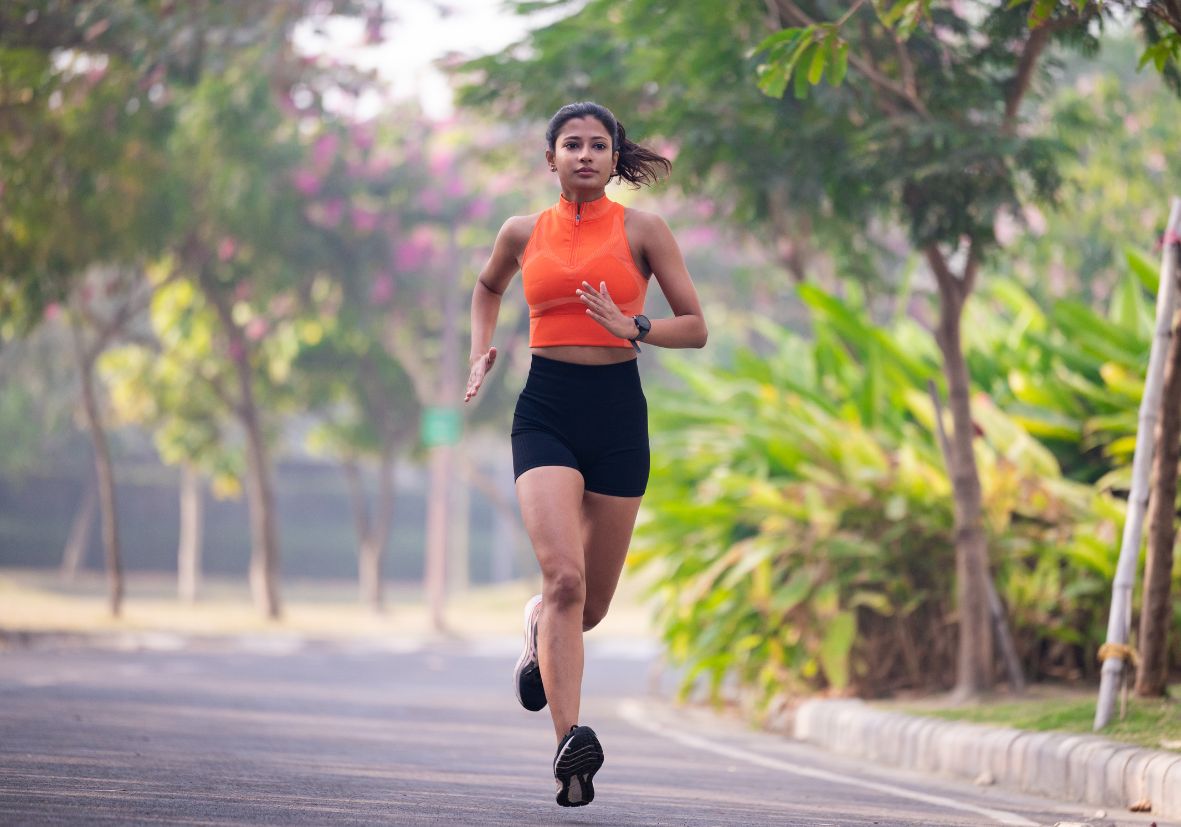
Stress urinary incontinence in female athletes is common, under-reported, and highly treatable, yet many women continue to train in silence. This blog breaks down why it happens, who it affects, and what you can do about it.
How common is stress urinary incontinence in athletes?
Stress urinary incontinence (SUI) is far more common than most people realise, with 1 in 3 women experiencing leakage during exercise. In high-impact sports, these rates can be up to twice as high. While postnatal and postmenopausal athletes are at higher risk, SUI also affects young athletes and those who haven’t had children.
Despite this, many women don’t seek help, often due to embarrassment or not knowing that support exists.
- Almost 1 in 2 women stop exercising due to leakage
- 68% believe that leakage is a normal part of their sport
- Less than 10% seek treatment
What is stress urinary incontinence?
Stress urinary incontinence is the involuntary loss of urine during activities that increase pressure in the abdomen. This can include coughing, sneezing, running, jumping, or lifting weights.
The pelvic floor muscles act like a supportive sling:
- They support the bladder and pelvic organs
- They help keep the urethra closed
Leakage occurs when pressure from above the bladder (intra-abdominal pressure) exceeds pressure below (urethral closure pressure). Put simply, the system can’t keep up with the load.
Why does leakage happen during sport?
1. High intra-abdominal pressure
Explosive movements, such as sprinting or jumping, create large pressure spikes in the abdomen. This pressure:
- Applies downward force onto the bladder
- Challenges the pelvic floor’s ability to respond quickly and effectively
2. Pelvic floor muscle dysfunction
The pelvic floor muscles may be:
- Weak, meaning they can’t contract strongly enough to keep the urethra closed
- Overactive, meaning they fatigue quickly or struggle to coordinate an effective contraction
This is why a one-size-fits-all approach does not work.
3. Sport-specific factors
Certain training habits can contribute to SUI:
- Running and jumping technique
- Poor abdominal bracing strategies
- High training loads
- Fatigue and inadequate recovery
4. Biological risk factors
Some factors increase susceptibility:
- Genetics
- Pregnancy and childbirth
- Higher BMI
- Hormonal fluctuations
- Chronic constipation
- Pelvic pain
The impact goes beyond physical symptoms
Stress urinary incontinence affects more than just the bladder. It can impact the whole person.
Many athletes report:
- Anxiety around training or competition
- Shame and embarrassment
- Reduced confidence
- Decreased performance
- Avoidance of certain movements, or sport altogether
What can you do about it?
The good news is that SUI is very treatable.
1. Pelvic floor muscle training
Targeted training can improve:
- Strength
- Endurance
- Coordination
However, technique matters:
- Up to 50% of people perform these exercises incorrectly
- Leakage does not always mean weakness
An individualised assessment with a pelvic floor physiotherapist ensures you are training effectively for your body.
2. Manage training load
Your pelvic floor has a capacity, just like any other muscle. You can support it by:
- Gradually progressing intensity
- Allowing adequate recovery
- Modifying high-impact work when needed
3. Support your bladder and pelvic floor
Simple strategies can make a big difference:
- Stay well hydrated, as overly concentrated urine can irritate the bladder
- Manage constipation if this is an issue
- Consider intravaginal support devices (such as Contiform or pessaries) when appropriate
You don’t have to put up with it
Stress urinary incontinence in female athletes is common, but it is not something you have to accept. With the right support, most women can:
- Return to sport with confidence
- Improve performance
- Feel in control of their body again
Ready to get support?
If you are experiencing leakage during exercise, a pelvic health physiotherapist can assess your symptoms and create a personalised plan tailored to you.
Book an appointment with Uplift Women’s Health Collective to get back to training with confidence (Book Now).