
Back to Blog

Physiotherapy for endometriosis can help reduce pelvic pain, improve movement, and support overall quality of life. During Endometriosis Awareness Month, it’s important to talk about practical ways people can manage symptoms and feel more in control of their bodies. In this blog, we’ll explain what endometriosis is, common symptoms, and how pelvic health physiotherapy can support treatment and long-term wellbeing.
What Is Endometriosis?
Endometriosis is a condition where tissue similar to the lining inside the uterus grows outside the uterus. These growths often occur on the ovaries, fallopian tubes, or other pelvic organs.
Like the uterine lining, this tissue responds to hormonal changes. This can lead to inflammation, irritation, and pain.
Common symptoms include:
- Pelvic pain, especially around menstruation or ovulation
- Pain during or after sexual intercourse
- Painful bowel movements or urination
- Heavy or irregular menstrual bleeding
- Fatigue and digestive symptoms such as bloating or nausea
For many people, these symptoms affect work, relationships, and mental wellbeing. Because it is a chronic condition, management focuses on reducing symptoms and improving quality of life.
How Pelvic Health Physiotherapy Can Help
Pelvic health physiotherapy focuses on treating the muscles, joints, and connective tissues around the pelvis. Many people with endometriosis develop muscle tension or protective guarding due to ongoing pain.
Targeted treatment can help calm the nervous system and improve pelvic function.
1. Manual Therapy
Hands-on techniques help release tension in the pelvic muscles and surrounding tissues.
This treatment may help:
- Reduce pelvic pain
- Improve tissue mobility
- Increase blood flow and circulation
- Support overall healing
Treatment is always gentle and tailored to the individual.
2. Pelvic Floor Muscle Therapy
Pelvic floor muscles can become tight or overactive when someone experiences chronic pelvic pain.
Instead of strengthening straight away, physiotherapy often focuses on helping these muscles relax and coordinate properly.
This may include:
- Pelvic floor relaxation exercises
- Breath-guided muscle control
- Gentle muscle retraining
Improving pelvic floor function can reduce pain and improve comfort during daily activities or intimacy.
3. Clinical Pilates for Pelvic Support
Clinical Pilates is a safe and structured form of exercise commonly used in physiotherapy.
For people with endometriosis, Pilates can help:
- Improve core stability
- Support pelvic alignment
- Reduce strain on sensitive areas
- Improve flexibility and movement confidence
Exercises are carefully modified to suit each person’s symptoms and energy levels.
4. Posture and Movement Education
Daily posture and movement patterns can place extra pressure on the pelvis.
A physiotherapist may help identify habits that contribute to discomfort and guide you through small changes such as:
- Sitting and desk posture
- Lifting strategies
- Movement patterns during exercise
These adjustments can make everyday activities feel easier and less painful.
If you’d like to learn more about our services, visit our Pelvic Health Physiotherapy page.
Your Endometriosis Self-Care Toolkit
Alongside physiotherapy treatment, simple strategies at home can help manage symptoms.
Try Daily Relaxation Breathing
Gentle breathing helps relax the pelvic muscles and calm the nervous system.
Try the 4-4-8 breathing technique:
- Inhale for 4 seconds
- Hold for 4 seconds
- Exhale slowly for 8 seconds
Repeat for a few minutes each day.
Keep Moving (Gently)
Light movement can reduce stiffness and improve circulation.
Helpful options include:
- Walking
- Yoga
- Gentle Pilates
- Stretching
The goal is consistency, not intensity.
Use Heat Therapy
Heat can help reduce muscle tension and pelvic discomfort.
Try:
- A heat pack on the lower abdomen
- A warm compress on the lower back
Use for 15–20 minutes as needed.
Try Gentle Abdominal Massage
Soft abdominal massage can help relax surrounding muscles and reduce tension.
One common technique is ILU stomach massage, which follows the natural path of the bowel.
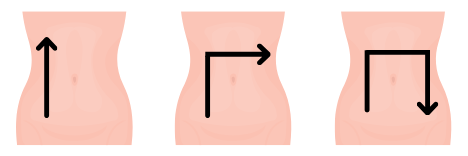
A physiotherapist can show you how to do this safely at home.
You Don’t Have to Manage Endometriosis Alone
Living with endometriosis can feel overwhelming, but the right support can make a real difference. Physiotherapy for endometriosis aims to reduce pain, restore movement, and help you feel more confident in your body.
If you are experiencing pelvic pain or suspect endometriosis may be affecting you, our pelvic health physiotherapists are here to help.
Book an appointment with our team to discuss a personalised management plan and start feeling supported in your journey. 📞 Call us on (03)88284761 or BOOK HERE to schedule your physiotherapy appointment.