
Back to Blog
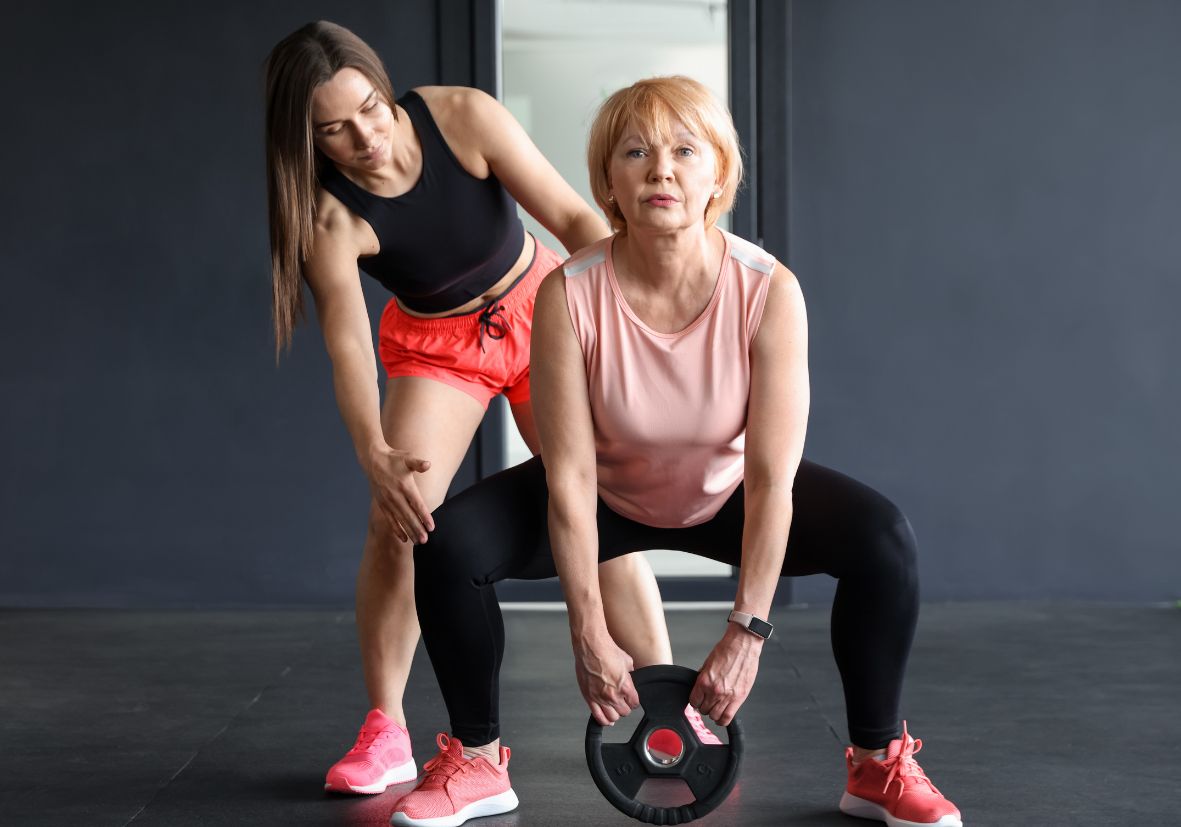
Hormones and heart health are closely linked, especially during perimenopause and menopause. As hormone levels change, your cardiovascular risk profile can shift quickly.
In this article, you’ll learn how declining oestrogen influences your heart, blood vessels, cholesterol and metabolism. You’ll also discover how strength and cardiovascular training can actively protect your heart. Finally, we’ll outline simple, practical ways to start.
How Hormonal Changes Affect the Heart
When oestrogen declines, several important protective mechanisms reduce, in turn increasing the risk of developing heart disease.
These changes may include:
- Higher LDL (“bad”) cholesterol
- Lower HDL (“good”) cholesterol
- Increased blood pressure
- Greater plaque build-up in the arteries
- Higher insulin resistance and type 2 diabetes risk
- More abdominal weight gain
Heart Disease Risk in Women
Cardiovascular disease remains the leading cause of death in women over 65.
Importantly, women are also more likely than men to die after a first heart attack or stroke. This is partly because symptoms often look different.
For example, women may experience:
- Dizziness
- Nausea
- Extreme fatigue
- Jaw pain
- Shoulder or back discomfort
While many people expect chest pain and shortness of breath, these symptoms are not always present. This makes not only awareness pivotal, but prevention all the more important.
Why Strength Training Is Essential for Heart Health
Few interventions rival regular physical activity when it comes to reducing cardiovascular risk. In addition to the whole-body health benefits of resistance training (which you can read more about here), these are just some of the ways building strength supports your cardiovascular system:
- Keeps blood vessels flexible, improving circulation and helping to lower blood pressure
- Makes the heart pump more efficiently, to better deliver oxygen to the body
- Improves metabolic rate (meaning our bodies burn more energy, even at rest)
- Supports healthier cholesterol and blood sugar levels
- Reduces the accumulation of fat around the organs
- Boosts energy levels and reduces fatigue
How Often Should You Strength Train?
The Australian Physical Activity Guidelines recommend accumulating 150–300 minutes of moderate activity weekly. Strength work should form a key part of this.
Aim for 2–3 sessions per week, for at least 20-30 minutes per session.
- Allow rest days between workouts so muscles can recover and rebuild.
During each session:
- Add resistance, such as weights, machines, or bands
- Target major muscle groups
- Work to a high intensity, but with good form!
Don’t Forget Cardiovascular Exercise
While strength training is crucial after menopause, you shouldn’t ignore aerobic exercise entirely. Cardio plays an important role in reducing your risk of heart disease, diabetes and other health conditions.
If you are short on time, high-intensity interval training (HIIT) can be very effective. You can adapt HIIT to almost any activity (such as walking, cycling, swimming or jogging) and vary the length of work and recovery efforts to suit your fitness level.
When it comes to structuring a session, the options are nearly endless. However, if you’d like a place to start, try one of these formats:
- 1:1 intervals: 30 seconds hard, 30 seconds recovery
- Tabata: 20 seconds all-out effort, 10 seconds rest
- Pyramid: 30 / 60 / 90 seconds hard with equal recovery, then work your way back down
The Takeaway – Menopause and Heart Health
Changes in oestrogen and heart health can feel confronting. However, there are a wide range of real, practical tools to influence your risk.
Strength training builds protective muscle. Cardio improves endurance and circulation. Together, they create a powerful defence for long-term wellbeing.
If you want guidance tailored to your body and life stage, the Uplift team can help. Book a session with our physiotherapists and start training with confidence. 📞 Call us on (03)88284761 or BOOK HERE to schedule your physiotherapy assessment.